





High-Volatility Slots in Australia: How Payouts Work
 Available in AU
Volatility describes a game’s payout pattern, while each spin remains independent and its outcome cannot be forecast from previous results.

Table of Contents
- The Spin Is Random; the Outcome Is Not Forecastable
- What High Volatility Means for Payout Timing
- Online Pokies in Australia: The Legal Boundary
- Why High Volatility Can Look Good—and Still Cost More
- RTP Does Not Set the Result of a Session
- Low or High Volatility: Different Payout Patterns
- Progressive Jackpots and the Cost of Waiting
- Bonus Stages: More Steps, Less Frequent Payouts
- Pragmatic Slots and the High-Volatility Trade-Off
- Small Balances Can Run Out Before a Feature Triggers
The Spin Is Random; the Outcome Is Not Forecastable
A pokie does not keep a score of what it “owes” after a run of losses. Each spin is generated independently by a random number generator (RNG), which produces combinations without using the results of earlier spins to decide what comes next. A long stretch without a win does not make a win more likely on the following spin. A recent win does not make another one less likely. The previous result is history, not an input to the next outcome.
This is the starting point for understanding high-volatility pokies. The label describes a game’s payout pattern; it does not provide a way to forecast an individual spin. A high-volatility pokie still produces each result independently. Its volatility cannot be read from a short run of play, and no sequence of previous symbols turns into a reliable signal about what will appear next.
The same principle applies to slot machines with high volatility and to other high-volatility casino games that use random outcomes. Observed results can describe what has already happened, but they do not reveal the next result. A screen showing several losing spins in a row may feel like evidence that a payout is due. Mechanically, it is not. The next spin is not a correction for the last one.
High-volatility slots can bring larger swings in results, so it is worth checking what is known about an operator before choosing where to play. The notes below stick to the available operator details and do not make claims about individual slots.
License: Curacao Gaming Control Board OGL/2023/174/0082 (Dama N.V.) SpinsUp is listed with a Curaçao Gaming Control Board OGL/2023/174/0082 licence held by Dama N.V. No details about its high-volatility slots are provided.
License: Curacao – Antillephone N.V. (Versus Odds B.V.) · Min. deposit: EUR 20 Thor Casino is listed with a Curaçao licence from Antillephone N.V. (Versus Odds B.V.) and a minimum deposit of EUR 20. No details about its high-volatility slots are provided.
License: Curacao Gaming Control Board (TechSolutions Group N.V.) Bizzo Casino is listed with a Curaçao Gaming Control Board licence held by TechSolutions Group N.V. No details about its high-volatility slots are provided.
License: Curacao Gaming Control Board OGL/2023/176/0095 (Hollycorn N.V.) GoldenCrown is listed with a Curaçao Gaming Control Board OGL/2023/176/0095 licence held by Hollycorn N.V. No details about its high-volatility slots are provided.
License: Curacao eGaming OGL/2023/174/0082 (Dama N.V.) · Min. deposit: A$15 LevelUp Casino is listed with a Curaçao eGaming OGL/2023/174/0082 licence held by Dama N.V., and its minimum deposit is A$15. No details about its high-volatility slots are provided.
License: Curacao Gaming Control Board OGL/2023/176/0095 (Hollycorn N.V.) Rollero Casino is listed with a Curaçao Gaming Control Board OGL/2023/176/0095 licence held by Hollycorn N.V. No details about its high-volatility slots are provided.
License: Curacao eGaming OGL/2024/923/0383 (Antillephone N.V.) · Min. deposit: A$30 WinSpirit Casino is listed with a Curaçao eGaming OGL/2024/923/0383 licence from Antillephone N.V. and a minimum deposit of A$30. No details about its high-volatility slots are provided.
License: Curacao eGaming (Roby Games Ltd) Roby Casino is listed with a Curaçao eGaming licence held by Roby Games Ltd. No details about its high-volatility slots are provided.
License: Curacao Gaming Control Board JustCasino is listed with a Curaçao Gaming Control Board licence. No details about its high-volatility slots are provided.
License: Curacao (operating since 2017) · Min. deposit: A$20 Uptown Pokies is listed as Curaçao-based, operating since 2017, with a minimum deposit of A$20. No details about its high-volatility slots are provided.
What the RNG changes—and what it does not
An RNG is designed to generate random combinations for spins. The combination shown after a spin is not selected because the game recognises a player’s previous choices, remembers a losing streak, or responds to the size of a balance. Changing the stake or pausing between spins does not make past results predictive. Nor does switching between games provide information about the result of a new spin.
That distinction matters because people naturally search for patterns in sequences. A sequence with repeated symbols, near misses or a cluster of small returns can look meaningful. It may be memorable, but memorability is not evidence of control. A near miss does not establish that the next result is closer to a win; it is simply the result that occurred on that spin.
A record of past spins is useful only as a record. It can show how much has been spent or how long a session has lasted. It cannot be used to calculate a dependable next outcome. The same limitation applies to charts, streak trackers, timing rituals and systems based on changing stakes after wins or losses. None can turn independent random results into a forecast.
No sequence creates a system
A betting pattern may change the amount exposed on later spins, but it does not change the RNG’s independence. Increasing a stake after losses does not recover those losses by rule. Reducing it after a win does not preserve the win by changing the next result. The arithmetic changes because the stake changes; the result remains uncertain.

There is no system that beats a pokie. Each spin is independent and the game has a built-in house edge. These points can coexist: independence explains why one spin does not determine another, while the house edge describes the game’s underlying financial structure. Neither provides a schedule of when a particular player will win. A sequence can end with a gain or a loss, but no previous sequence makes either outcome certain on the next spin.
For the same reason, “due” is not a useful calculation. A game does not have to repay a player because a session has been costly, and a series of wins does not create a dependable warning that a loss must follow. Treating either idea as a rule converts chance into an imagined obligation. The game does not keep that account.
Reading volatility without treating it as a signal
The phrase “high volatility meaning slots” is sometimes used as if volatility could explain a particular run. It cannot. Volatility is a description of a game’s broader payout pattern, not a forecast tool for the next spin. The meaning of a high-volatility slot machine does not include a predictable trigger, a hidden sequence or a point at which a payout becomes due.
Attention: Volatility is a description of a game’s broader payout pattern and cannot be used as a forecast tool to predict the next spin or identify when a payout is due.
The practical distinction is between describing a game and predicting an outcome. A game may be classified by its volatility, but that classification does not disclose what the next spin will produce. A short session is especially poor material for drawing conclusions about a pattern: a few outcomes cannot establish that the RNG has changed or that a repeatable method has been found.
That leaves a straightforward way to manage the part that is controllable: the amount placed at risk. Set a session budget in advance and never wager more than can be afforded to lose. The budget does not improve the odds or predict a result; it limits financial exposure when results do not follow a preferred pattern. If the budget is reached, continuing because a win seems overdue has no mechanical basis.
What High Volatility Means for Payout Timing
High volatility describes a payout pattern, not a schedule. A high-volatility pokie can go through extended periods without a significant return, while retaining the possibility of a larger payout when a win does occur. The defining trade-off is therefore frequency against size: payouts tend to be less frequent, but potential wins can be larger.
That distinction matters because a session is experienced one spin at a time, while volatility describes how results are distributed over play. A quiet stretch does not mean a larger payout is now due. Nor does a previous win establish that another one is likely to follow. No system beats a pokie: each spin is independent, and the game has a built-in house edge. Timing is not a debt the machine must repay.

For a player, the practical question is not simply whether a game can produce a large win. It is whether the available bankroll can absorb the dry spells that may come before a significant payout, or without one arriving during the session at all. A larger potential result is not a forecast or a minimum return. It is one side of a distribution that also includes periods of little or no meaningful recovery.
Payout timing and bankroll exposure
When payouts are sparse, the balance can fall over many spins before a substantial win appears. The longer the interval between significant returns, the more of the starting balance is exposed to continued wagering. A high-volatility game therefore calls for a deeper bankroll than a pattern built around more frequent, smaller payouts. That does not mean a larger bankroll will make a payout happen; it means there is more money available to withstand a longer dry spell.
The arithmetic is direct. Each stake is money at risk. If several stakes pass without a significant return, the remaining balance is smaller, and the capacity to continue is reduced. A rare large win may change the session total sharply, but its possibility cannot be entered as income before it occurs. Counting a prospective payout as part of the bankroll is not accounting; it is wishful classification.
This is why the same game can look tolerable during a short winning run and expensive during a quiet one. The underlying payout pattern has not changed. What changes is the balance available to absorb further play. A session can end before the pattern produces a significant win, even when the game is capable of producing one over time.
Do
- Set a fixed session budget in advance
- Use smaller, disciplined stakes
- Limit wagering to money that can be lost without affecting essential costs
Don’t
- Raise budget limits to wait for a payout
- Change stakes in response to a dry spell
- Count prospective payouts as part of the current bankroll
A fixed budget makes the exposure visible. The amount set aside for gambling should be money that can be lost without affecting essential costs, and wagering should never exceed what can be afforded to lose. Once the budget is exhausted, the session is over; raising the limit to wait for a payout converts a planned expense into an open-ended one. The game does not know the amount already spent.
Stake size also determines how quickly a bankroll is exposed. Smaller, disciplined stakes can reduce the rate at which the balance is used, though they cannot guarantee that it will last until a feature or significant win. Changing stakes in response to a dry spell does not correct the payout pattern. It changes the amount exposed on later spins, while leaving their outcomes uncertain.
The term “suitable” needs a narrow reading. High volatility may suit players prepared to risk a deeper bankroll and accept that significant payouts can be separated by long intervals. It does not mean the game is suitable for every budget, or that a larger balance makes a session profitable. The trade-off is acceptance of a less frequent return pattern in exchange for the possibility of larger wins. There is no certainty on either side of that exchange.
For Australian players, the setting also has a legal boundary: no online pokie site is licensed in Australia, and sites serving online pokies to Australians operate under offshore licences. This does not change the payout pattern, but it is material context when considering where the money is being wagered.

A useful measure of a high-volatility session is not whether a large win was theoretically possible. It is whether the planned stake and budget remain intact through the dry spells the pattern can produce. If they do not, the potential size of a future payout is beside the point.
Online Pokies in Australia: The Legal Boundary
A game’s volatility does not alter its legal status. High-volatility pokies remain online casino games, and the Australian rules apply to the service being offered, not to whether a game pays often or rarely. Under the Interactive Gambling Act 2001, operators cannot legally provide real-money online pokies to people in Australia. The restriction covers online casino-style gambling; it is not a special rule for one provider, game title or payout pattern.
The legal distinction is between the operator’s conduct and the player’s position. The Act prohibits operators from supplying the service to Australians, but it does not impose a penalty on a player for playing. That difference matters: the absence of a player penalty does not make an online pokie service lawful to offer in Australia. Nor does a site’s accessibility establish that it is authorised to operate locally. No online pokie site is licensed in Australia; sites serving Australian customers operate under offshore licences rather than an Australian online-casino licence.
This is the relevant boundary for anyone researching high-volatility online slots from Australia. The description of a game, including its potential payout pattern, says nothing about whether an operator may legally offer it to Australians. A site may display games and accept visitors while still falling within the category of prohibited interactive gambling services. The legal question concerns the provision of real-money casino games to people in Australia, not the label attached to a game or the appeal of its features.
Legal Restriction
Under the Interactive Gambling Act 2001, operators cannot legally provide real-money online pokies to people in Australia.
Advertising is part of the same boundary. Online casino services, including pokies, cannot be advertised to Australian audiences as lawful real-money gambling offers. ACMA can ask Australian internet service providers to block websites that provide prohibited interactive gambling services or promote them in Australia. A blocking request is an enforcement measure directed at access to the site; it does not turn an offshore service into an authorised local operator. Website availability and legal permission are separate matters.
The Australian Communications and Media Authority, usually shortened to ACMA, oversees compliance with federal interactive-gambling rules and enforces the Interactive Gambling Act. Its role includes monitoring the market and taking action against services that breach the law. Following enforcement activity, ACMA has blocked more than 1,455 illegal gambling and affiliate websites since November 2019. The count includes affiliate sites as well as gambling sites, so it should not be read as a count of online pokie operators alone.
There is also a reported difference in the count of services that have withdrawn from the Australian market since enforcement began in 2017. One account puts the number at more than 210; another gives a figure of more than 190. Those are conflicting reported totals, not a single agreed number. The difference does not change the underlying point: enforcement has been followed by services leaving the market, while ACMA’s blocking powers address websites that continue to provide or advertise prohibited services.
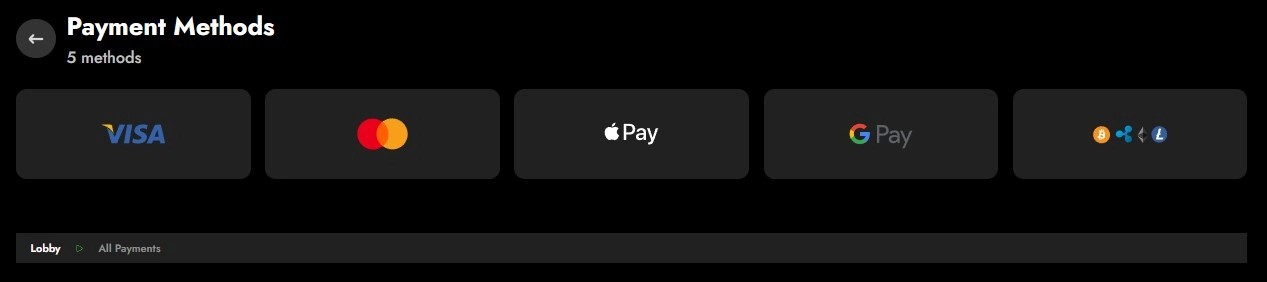
Payment rules add another clear restriction. Credit cards are banned for online gambling in Australia. This is a prohibition on the payment method, not a way to make an otherwise prohibited online casino service lawful. A site’s available payment options therefore do not settle whether it may legally offer pokies to people in Australia.

The framework can be summarised without reference to game mechanics: operators may not provide real-money online pokies to Australians; players do not face a penalty under this rule; and ACMA monitors compliance and can seek website blocks. High volatility, low volatility and a game’s branding do not change those positions. The legal boundary is set by the Australian prohibition on supplying online casino gambling, with enforcement directed at the providers and promotion of those services.
Why High Volatility Can Look Good—and Still Cost More
The appeal is straightforward: a high-volatility pokie can produce a large payout, but significant wins occur infrequently. That possibility gives each session a visible upside, while the less visible cost is the balance spent waiting for it. The game’s label describes a payout pattern; it does not establish that the pattern will suit a particular budget or produce a favourable result.
A rare large win can feel more compelling than a series of modest returns because it concentrates attention on what might happen, rather than on the money already wagered. The distinction matters. A potential payout is not a forecast, and the possibility of a substantial result does not offset the cost of repeated spins automatically. If the win does not arrive during a session, the amount staked remains spent.
That makes the question “is high volatility good?” incomplete without a measure of what the player is willing to risk and how long the balance can sustain play. These games are more suited to people prepared to expose a larger bankroll to a less frequent payout pattern. “Larger” is relative to the intended session, not a recommendation to increase spending. A bankroll that cannot absorb an extended run without a significant payout is poorly matched to that exposure.
Risk Management
Whether high volatility is acceptable depends on the amount a player can afford to lose while waiting for an infrequent large win.
The arithmetic is simple even when the result is not. Each wager adds to the amount at risk; a later win does not erase that cost unless its value exceeds the total spent. A bonus round can also return no net profit despite showing a large payout: the displayed result and the session’s final balance are not the same measure. Gross payout is packaging; the amount left after wagers is the figure that counts.
There is no system that beats a pokie. Each spin is independent, and the game has a built-in house edge; neither a prior loss nor a prior win makes the next outcome due. Choosing a high-volatility game therefore cannot turn patience, timing or a betting pattern into a reliable method of recovery. The possible large payout remains possible, not owed.
The cost can also be psychological. After a long stretch without a significant return, continuing may feel like protecting the money already spent or staying in until the hoped-for result arrives. Neither changes the remaining balance or improves the basis for the next decision. Past expenditure is not an asset that can be recovered by playing on; it is already part of the session’s cost.
A workable budget places a hard boundary around that cost before play begins. It should be money that can be lost without affecting essential expenses, and wagering should stop when that limit is reached. Stakes need to remain disciplined rather than rising to compensate for losses or to accelerate a hoped-for win. If the available balance cannot support the possibility of a long dry spell, the sensible calculation is not to stretch it.

High volatility can look attractive because it concentrates attention on the rare large result. Its price is the possibility of spending through a substantial part of a bankroll without reaching one. Whether that trade-off is acceptable depends less on the size of the imagined win than on the amount that can be lost while waiting.
RTP Does Not Set the Result of a Session
Return to player (RTP) and volatility describe different parts of a pokie’s payout profile. RTP is a long-run average: it indicates the share of wagered money a game is designed to return across extensive play. It does not set the amount returned in a particular session, or promise that any individual balance will recover.
Volatility describes the distribution and timing of payouts. A game can have a comparatively high RTP and still deliver wins unevenly, with long gaps between significant returns. That is why a high RTP does not automatically make a high-volatility pokie gentle on a bankroll. The return figure concerns the broad aggregate; volatility concerns how payouts are distributed along the way.
The reverse distinction matters too. A low RTP does not mean that every session will lose, just as a high RTP does not ensure a profitable one. Results in a session can depart substantially from the long-run figure. No system beats a pokie: each spin is independent, and the game has a built-in house edge. Previous results do not turn an unfavourable session into a predictable one.
Return to Player (RTP) is a long-run average and does not guarantee the amount returned in a specific session or the timing of payouts.
Games with several bonus stages can bring low RTP and high volatility together. They pay out less often, so the path to a return may involve extended periods without a meaningful payout. A displayed RTP, where available, does not tell how long a balance will last before a feature appears, nor whether that feature will leave a net profit. Bonus rounds can produce conspicuous payouts and still return less than the amount spent reaching them. Large-looking is not the same as profitable.
For a practical comparison, RTP is not a session target or a cash-out threshold. It cannot be used to calculate when a feature should arrive or how much a particular run will return. Volatility supplies no timing guarantee either. Treating the two figures as interchangeable turns a statistical description into a forecast, which it is not.
Any gambling budget should be set in advance, and wagering should never exceed what can be afforded to lose. That limit matters especially where lower returns and high volatility coincide: less frequent payouts can expose the balance to a longer run of losses before a bonus stage pays anything back. The figures describe the game’s structure, not a protection for the money committed to it.
Low or High Volatility: Different Payout Patterns
Low and high volatility describe different distributions of wins, not different levels of certainty. Low-volatility pokies tend to return smaller wins more frequently. High-volatility games can produce larger wins, but those wins are rarer. The practical distinction is therefore not simply “small versus large”; it is how long a balance may need to carry play between meaningful returns.
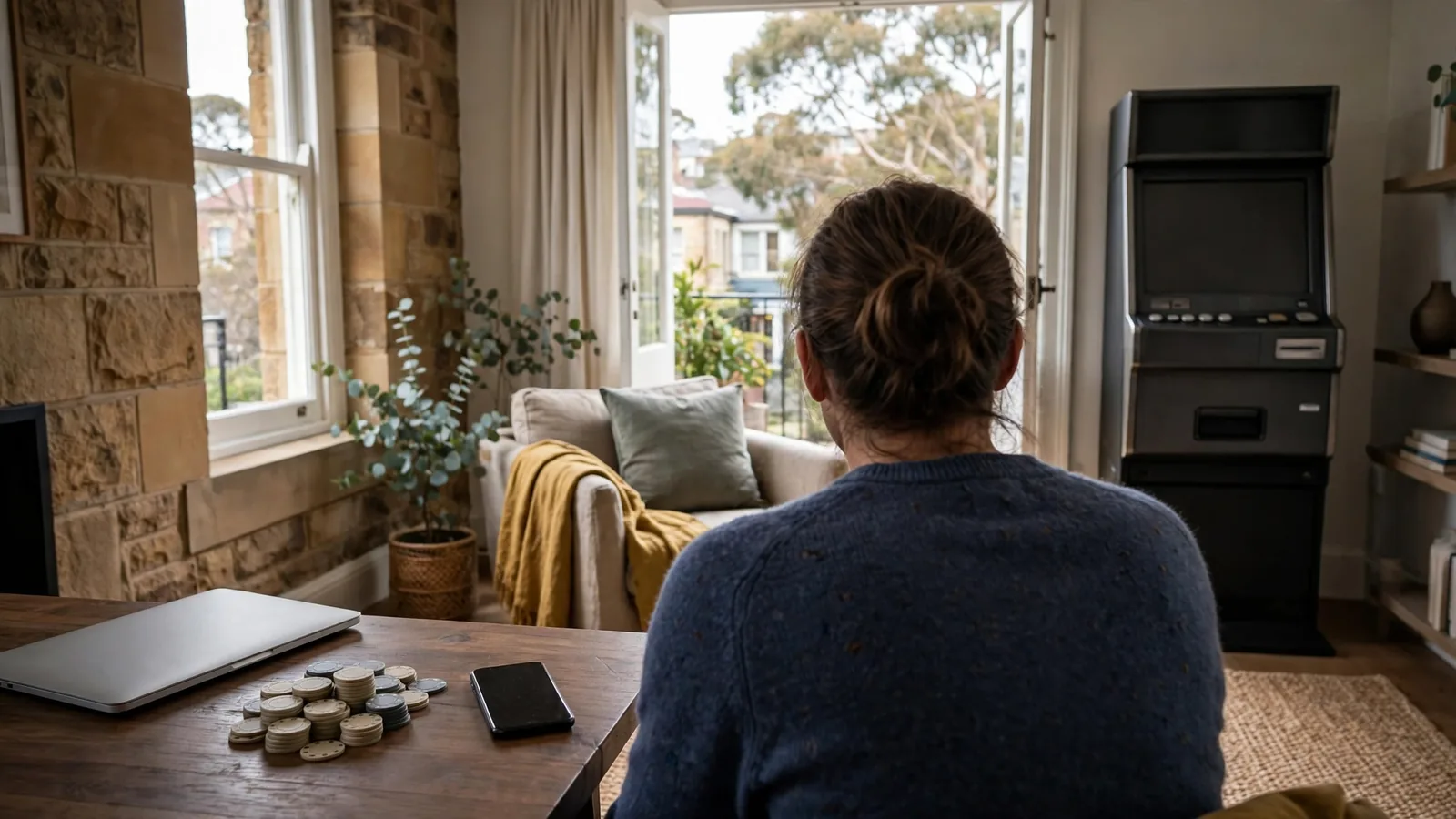
With a lower-volatility pattern, more frequent wins can make a balance appear to last longer. That does not make the result predictable or ensure that the balance will recover its cost. Frequent small returns may still be outweighed by the amount staked. With higher volatility, the gaps between significant payouts can be longer, so the balance is exposed to more losing play while waiting. A large possible win is not a scheduled payment.
Neither pattern is inherently better for every purpose. A player seeking steadier, smaller returns may prefer the low-volatility profile. Someone willing to accept longer dry spells in exchange for the possibility of a rare larger win may prefer high volatility. That preference changes the experience, not the underlying economics: no system beats a pokie, and each spin is independent, with a built-in house edge.
Stake size matters because the same losing sequence consumes a balance faster when each wager is larger. High-volatility play calls for smaller, disciplined stakes; otherwise, the bankroll can be depleted before a substantial return occurs. Lower volatility is not a reason to increase stakes without calculation. More frequent wins can soften the appearance of losses without removing them.
A workable comparison starts with the amount available for play, then asks how much of that balance each stake puts at risk. The budget should be fixed in advance, and wagering should never exceed what can be afforded to lose. If the planned balance cannot withstand the dry spells associated with a high-volatility game, choosing that pattern does not make the numbers more favourable. It simply increases exposure to running out before a larger win arrives.
Tends to return smaller wins more frequently, which can make a balance appear to last longer.
Offers the possibility of larger wins, but these occur less frequently and are separated by longer dry spells.
The choice, then, is about tolerance for payout timing and balance fluctuation. Low volatility offers more frequent, smaller wins; high volatility offers less frequent opportunities for larger ones. Neither guarantees a profitable session, and neither turns a preference into an advantage.
Progressive Jackpots and the Cost of Waiting
A progressive jackpot grows as a share of each wager is added to the prize pool. That contribution is the defining mechanism: the headline amount can increase while the game returns less frequently. Progressive pokies are generally high volatility, so the jackpot’s growth does not make a payout more predictable or shorten the wait for one.
The financial trade-off is straightforward. Stakes feed a prize that may remain unclaimed while the balance is used up. The displayed jackpot is therefore not a measure of how soon it will be won, nor a reliable guide to the value of a session. A large potential prize can coexist with extended periods without a significant return.
No system beats a pokie: each spin is independent, and the game has a built-in house edge. Previous results or a rising jackpot cannot provide a dependable basis for predicting the next outcome. A bonus round or other feature can also end without producing a profit, even when its payouts look substantial.
In Australia, the Interactive Gambling Act 2001 prohibits operators from providing real-money online pokies to people in the country. No online pokie site is licensed in Australia; sites serving this market hold offshore licences. That legal position does not change the financial mechanics of a progressive game.

Any gambling budget should be set in advance, and wagering should never exceed money that can be lost without affecting essential expenses. With a progressive jackpot, the balance must withstand the possibility that the prize does not arrive during the session. The cost of waiting is not merely time: it is the stake already committed while the jackpot continues to grow.
Bonus Stages: More Steps, Less Frequent Payouts
A pokie with several bonus stages adds conditions between a spin and a completed feature. Reaching one stage does not mean the later stages will follow, and a feature can produce a large displayed payout without leaving a net profit after the wagers used to reach it are counted.
Games with multiple bonus stages can combine low RTP with high volatility, and they pay out less frequently. The sequence may make a feature feel substantial, but extra stages do not make a payout more dependable. The relevant measure is the result across the whole play, not the size of one award in isolation.
RTP describes a long-run average; it does not set the result of an individual session. No system beats a pokie: each spin is independent, and the game has a built-in house edge. A bonus sequence does not change those terms. Rapidly changing stake sizes during a bonus round can also draw irregular-play scrutiny. A specialist affiliate review has reported that some offshore operators based in Curacao may scrutinise such play, but that is not a settled market-wide rule.
For budgeting, count the cost of reaching and continuing through a feature as part of the same exposure. Set a fixed budget and never wager more than can be afforded to lose; smaller, disciplined stakes reduce the risk of a balance being depleted quickly. If the sequence ends with an award, that still does not establish a profit: total returns must be weighed against the amount wagered.
Attention: Extra bonus stages are a structural feature, not a promise of profit; a large displayed payout may still result in a net loss for the session.
The extra stages are therefore a structure, not a promise. They can produce an occasional large result, but the combination of low RTP and high volatility means payouts occur less often. The arithmetic does not improve merely because the route to a feature has more steps.
Pragmatic Slots and the High-Volatility Trade-Off
Pragmatic Play is a game provider, but its name alone does not determine how a particular pokie will affect a balance. The relevant distinction is the payout pattern: high-volatility games tend to return prizes less often, with larger wins possible when they do. That pattern demands more tolerance for long stretches without a significant return and a bankroll able to absorb them.
A provider label is not a financial measure. It does not establish that every title has the same volatility, nor does it show how long a session will last or what it will return. A rare large payout remains a possibility, not a scheduled event. A feature or bonus round can also finish without producing a profit; a large displayed prize does not settle the result if the total stake has not been recovered.
The arithmetic is straightforward: stake money is exposed on each spin, while a high-volatility payout may arrive infrequently. A larger balance can withstand more losing spins, but it cannot make a future win more likely. No system beats a pokie: each spin is independent, and the game has a built-in house edge. Adjusting a pattern of play does not turn that edge into an advantage.
In Australia, real-money online pokies are prohibited for operators to provide. No online pokie site is licensed in Australia; sites offering them operate offshore, and the legal prohibition does not impose a penalty on players. This context does not change the game’s payout pattern or make a high-volatility title a lower-risk choice.

Any gambling expenditure should be budgeted in advance and limited to money that can be lost without affecting essential costs. High volatility is a poor fit for money needed for bills or other obligations. The provider name may identify who made a game; it cannot convert uncertain payouts into a dependable return.
Small Balances Can Run Out Before a Feature Triggers
High-volatility pokies can use up a small balance before a bonus feature appears. The practical risk is not simply that a feature may take time to arrive; it is that each stake reduces the funds available for the next spin, while no feature is guaranteed to occur within a particular run.
A smaller stake limits how quickly the balance is exposed. It does not improve the chance of triggering a feature or change the result of a spin. Stakes that rise sharply after losses increase the rate at which funds can be depleted, without creating a reliable route to recovery.

A workable budget is a fixed loss limit, set before play and kept separate from money needed for ordinary expenses. Once that amount is gone, play stops. Wagering more than can be afforded to lose turns a variable entertainment cost into a financial shortfall. The budget should also account for the possibility that the session ends without a bonus or a return that offsets the stakes.
Bonus rounds are not a separate guarantee of profit. Even a round with a large displayed payout can produce no net profit after the wagers required to reach it are counted. The arithmetic is based on the whole session, not the most prominent result on the screen.
There is no system that beats a pokie. Each spin is independent, and the game has a built-in house edge; changing stake size or tracking previous results cannot make a feature due. High volatility therefore calls for smaller, disciplined stakes, not attempts to force a trigger through increased spending. If the balance cannot support that discipline, the game’s risk does not fit the available funds.
Written by the editors at Oscarspin Casino.