

Oscarspin KYC Verification: Documents, Review Steps and Withdrawal Impact
 Available in US
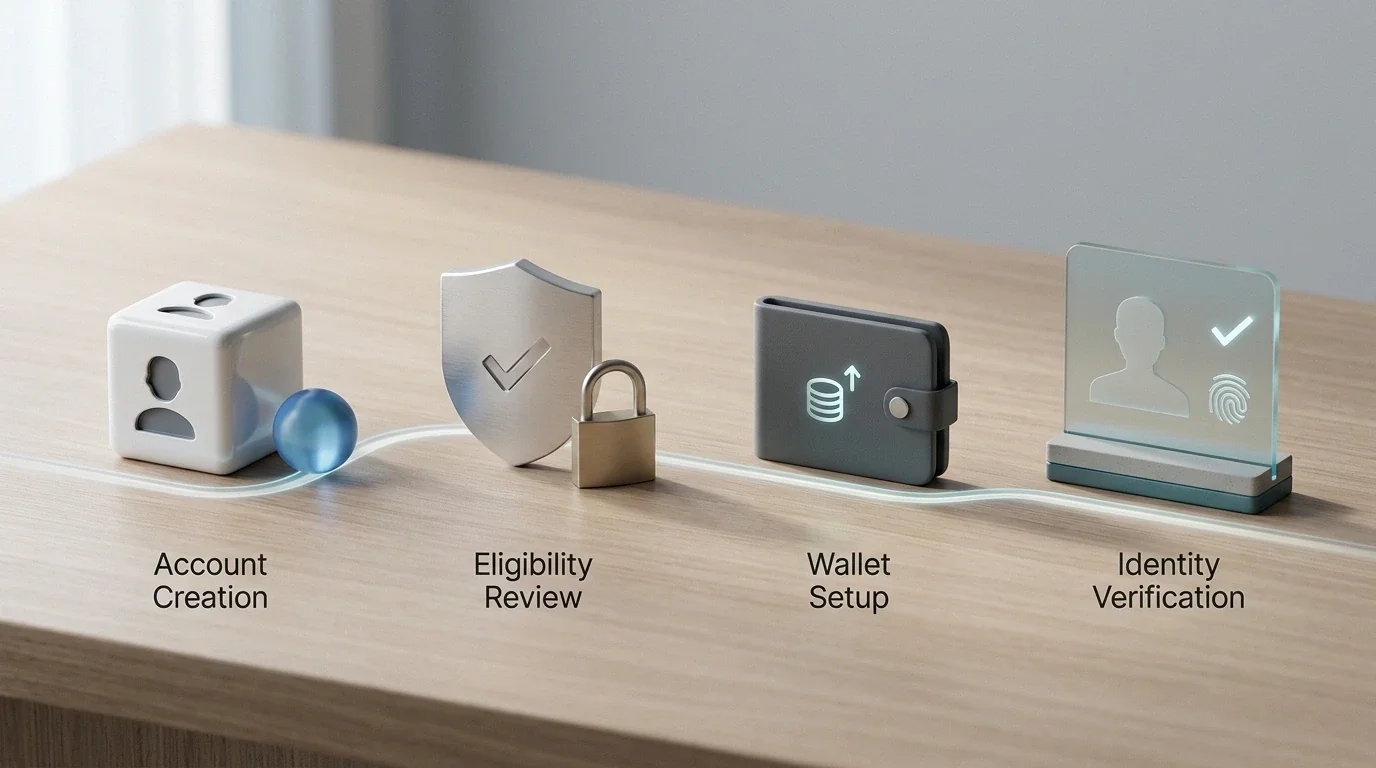
Oscarspin’s current KYC policy says the company can request identity and location documents at any time and can restrict service, payments or withdrawals until identity is sufficiently established. Its standard document framework includes a passport or ID card plus proof of residential address, while additional evidence can be requested depending on risk and screening level. The policy says uploaded documents receive a Temporary Approval status and the KYC team has 24 hours to review them and email an initial outcome: Approved, Rejected or More information needed. Separately, Oscarspin’s English (Australia) overview says the entire verification procedure takes approximately 48 hours or less. These are different statements, not competing guarantees: 24 hours refers to the stated document-review step, while the AU page describes an approximate end-to-end period.
KYC can affect access to payments and withdrawals at different points in the account lifecycle. The Oscarspin review covers the broader product context, account setup covers registration, and withdrawals covers the cash-out stage.
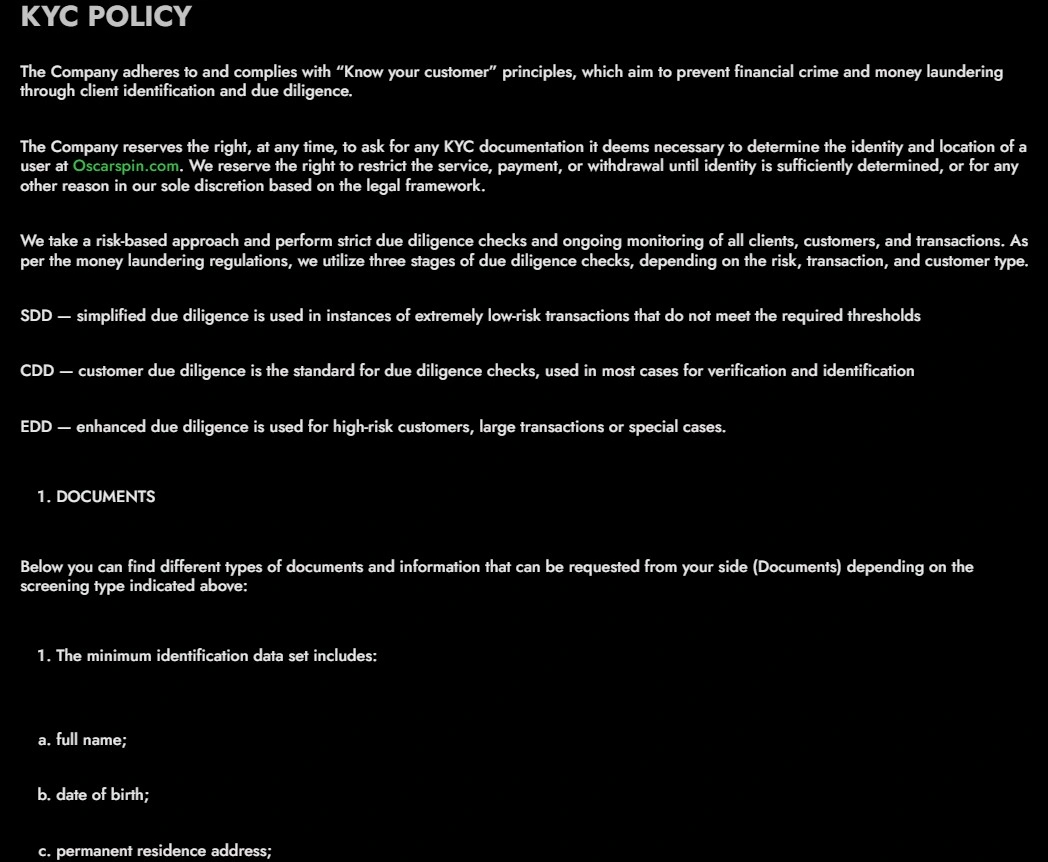
Table of Contents
- When can Oscarspin ask for KYC?
- SDD, CDD and EDD in the Oscarspin policy
- Minimum identity information
- Standard documents in the current KYC policy
- Additional evidence Oscarspin can request
- Why documents can be rejected
- What Temporary Approval means
- 24 hours versus approximately 48 hours
- What happens after KYC approval?
- What if KYC fails?
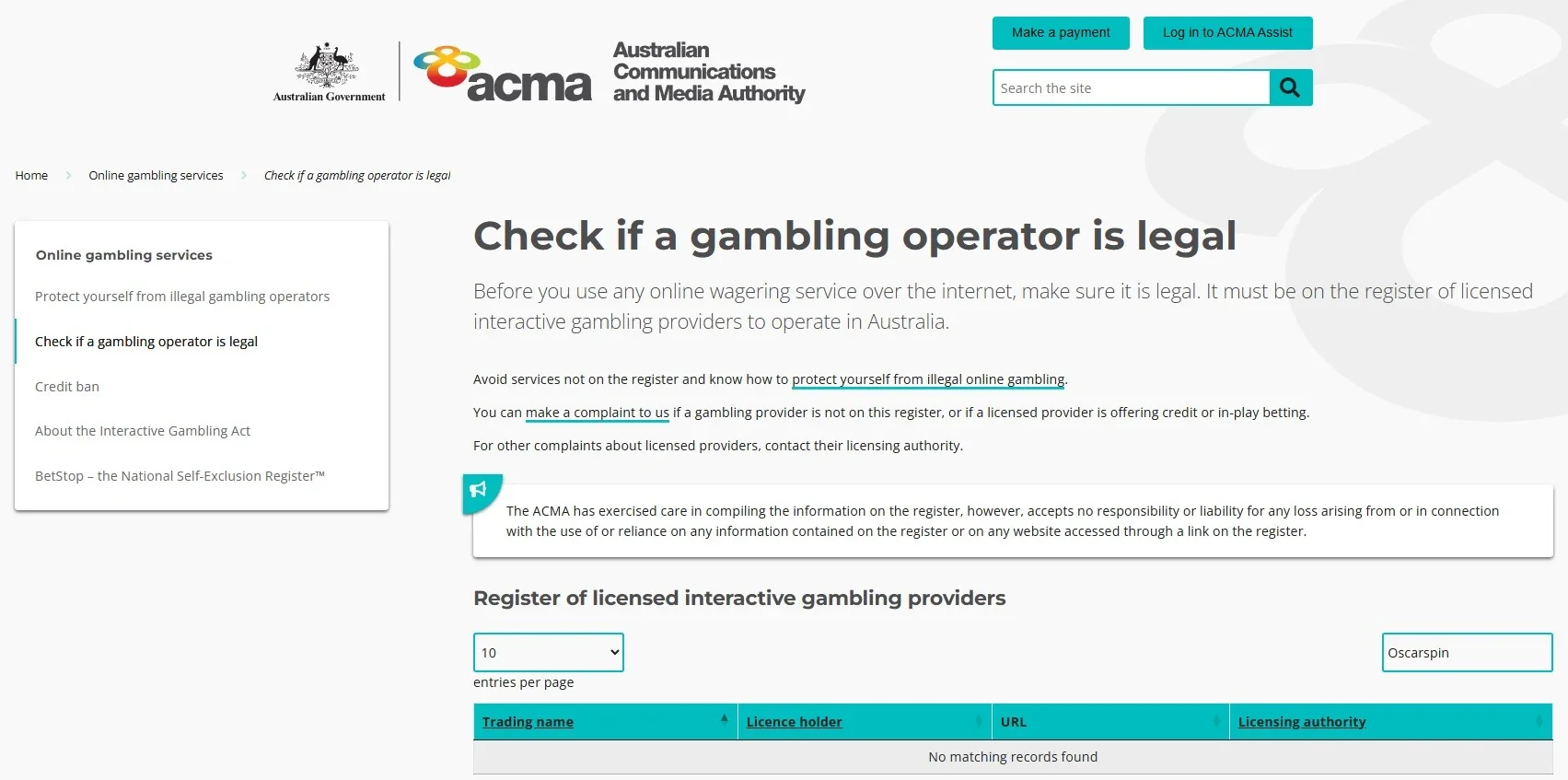
- Keep identity checks separate from licence questions
- Practical KYC checklist
- Frequently asked questions
- KYC summary
When can Oscarspin ask for KYC?
The formal policy is broader than a simple “first withdrawal” rule. It says Oscarspin reserves the right to ask for KYC documentation at any time when it considers the documents necessary to determine a user’s identity and location. It also says the company can restrict the service, payment or withdrawal while identity is not sufficiently determined.
The AU overview adds a common practical trigger: it says players are asked to undergo standard identity verification when requesting a withdrawal for the first time. Both statements can be true. The first withdrawal is a stated point at which verification is expected, but the policy still allows earlier or later checks depending on the account and risk review.
That distinction matters when planning a withdrawal. Completing the sign-up form does not guarantee that verification has been completed, and a person should not wait until a time-sensitive cash-out to discover that supporting documents are needed.
SDD, CDD and EDD in the Oscarspin policy
Oscarspin describes a risk-based due-diligence framework with three levels. These labels are compliance categories, not VIP levels and not a judgement about a player’s gambling performance.
SDD – simplified due diligence
The policy says SDD is used for extremely low-risk transactions that do not meet the thresholds requiring a fuller check.
CDD – customer due diligence
CDD is described as the standard due-diligence process used in most verification and identification cases.
EDD – enhanced due diligence
EDD is used for higher-risk customers, large transactions or special cases. This can lead to requests for additional evidence beyond the standard documents.
The useful takeaway is that there is no single document bundle that can be promised for every account. The policy gives a standard core and examples of extra documents, but the screening level determines what is actually requested.
Minimum identity information
The current policy lists a minimum identification data set consisting of full name, date of birth, permanent residence address and an identification number. Those data points should match the information associated with the account. Mismatches are one of the reasons documents can be rejected.
This is also why accurate registration data matters. Oscarspin’s AU page says date of birth cannot be edited from the profile without support assistance. If account details and identity evidence differ, resolve the discrepancy through the official support channel rather than modifying or fabricating documents.
Standard documents in the current KYC policy
Oscarspin’s policy currently identifies two main document categories for ordinary identity and address evidence:
- Identity document: a current passport or ID card.
- Proof of permanent residence address: the policy gives a utility bill or bank account statement as examples and says the document should not be older than six months.
The AU overview uses slightly broader shorthand and mentions ID documents, utility bills and bank cards used for cash-out. The formal KYC policy should be preferred for the detailed workflow because it explains which items are standard and which can be additional.
Additional evidence Oscarspin can request
Depending on the screening level, the policy says additional documents can include another national identity document such as a driver’s licence or military ID, a readable photo of the user with an open passport, and a front photo of a bank card. For the bank-card example, the policy specifies that the first five and last four digits, the owner’s name and the expiry date should be readable. It also allows the company to request other documents.
Privacy and submission caution
Only provide verification material through Oscarspin’s current official account or support process when it has actually been requested. Do not send identity documents to review sites, affiliates or unknown addresses. This editorial site does not collect KYC material.
Additional documents depend on the screening level and are not fixed requirements for every account. Standard identity and address documents form the baseline, while higher-risk or special cases can lead to further requests.
Why documents can be rejected
Oscarspin’s policy provides a concrete rejection list. Documents can fail because the name or address does not match the account, because copies are illegible or damaged, because they do not confirm required information such as age or name, or because the submitted item is not an accepted document. The policy gives the example of sending an envelope instead of the actual utility bill.
These points suggest a simple preparation routine: make sure the whole relevant document is visible, details are readable, account information matches, and the document type is the one requested. If support asks for more information, answer the specific request rather than uploading unrelated documents.
What Temporary Approval means
After documents are uploaded, the KYC policy says the user receives a “Temporarily Approved” status while the documents are reviewed. The policy says users with this status can normally use the platform, but their right to complete withdrawals is limited.
That is an important distinction from full approval. Temporary Approval confirms that documents have entered the review workflow. It should not be interpreted as final verification or as a promise that a withdrawal will complete while the review is open.
After analysis, the company makes a final decision. If KYC is unsuccessful, the policy says the reason is documented and a support ticket is created, with the ticket number and explanation communicated to the user.
24 hours versus approximately 48 hours
The two timing statements refer to different parts of the process. In the KYC policy, the KYC team is given 24 hours after document upload to review the documents and email an initial outcome. That outcome can be Approved, Rejected or More information needed. A More information needed result can extend the process because another response or document set is required.
On the English (Australia) overview, Oscarspin says the entire verification procedure takes approximately 48 hours or less. The wording is approximate, and it appears in a general withdrawal explanation rather than as a service-level guarantee in the formal KYC policy.
For planning purposes, use 24 hours as the policy’s stated first review window and treat 48 hours or less as Oscarspin’s approximate overall description. Neither should be presented as a guaranteed completion deadline for every account.
What happens after KYC approval?
The policy says that even after a user has passed KYC successfully, a withdrawal is subject to a detailed algorithmic and manual check of account activity and balance to confirm that the amount being withdrawn results from proper platform activity. That means identity approval and withdrawal approval are related but distinct steps.
The separate cash-out guide covers the withdrawal flow and processing windows. Oscarspin confirms that withdrawal limits exist, while exact AU daily, weekly and monthly values and method fees depend on the account and withdrawal method.
What if KYC fails?
The current policy says a user who fails to pass KYC successfully cannot make additional deposits or withdrawals of any amount. That is stronger than a simple withdrawal delay, so unresolved identity problems should be addressed before adding more funds.
If a document is rejected, start with the reason given by support or the KYC ticket. Common fixes can include supplying a readable copy, correcting a mismatch in account information through the proper support process, or providing the specific additional evidence requested. Do not alter a document image to make it look like a different document or hide information that the official verification process requires.
Keep identity checks separate from licence questions
KYC is Oscarspin’s identity and risk-control process. Passing it confirms an account has satisfied the operator’s verification checks; it is not a regulator approval or a decision about the service’s status in Australia. The separate Australian legal context page covers those questions.
For funding methods rather than identity evidence, use the deposits and payments guide. For the effect of a pending review on a cash-out request, use the withdrawals guide.
Practical KYC checklist
- Use accurate account details. Full name, date of birth and residential address should be consistent with the evidence you expect to provide.
- Prepare a current photo ID. The formal policy names a passport or ID card as standard identification evidence.
- Prepare address evidence. The policy gives a utility bill or bank statement as examples and specifies a document not older than six months.
- Wait for the actual request before sending additional evidence. Extra identity documents, a passport photo or bank-card evidence are risk-based additions, not guaranteed requirements for every account.
- Make documents readable. Illegible, damaged or mismatched evidence is specifically listed as a rejection reason.
- Track the status message. The policy says the KYC team emails the result after its review step, and the AU page says KYC status can also be communicated through the site’s notification system.
- Do not treat Temporary Approval as withdrawal clearance. The policy explicitly limits withdrawals while that status is in place.
Frequently asked questions
Is KYC only required on the first withdrawal?
No. Oscarspin’s AU page describes the first withdrawal as a standard trigger, but the formal KYC policy says documents can be requested at any time.
Which documents are normally requested?
The formal policy names a passport or ID card and proof of permanent residence address, such as a utility bill or bank statement not older than six months. Additional evidence can be requested depending on the screening level.
Does Oscarspin guarantee KYC in 24 hours?
No. The policy says the KYC team has 24 hours to review uploaded documents and send an initial outcome. That outcome can request more information. The AU overview separately describes the entire process as approximately 48 hours or less.
Can I withdraw while Temporarily Approved?
The KYC policy says users with Temporary Approval can normally use the platform, but their right to complete withdrawals is limited.
What should I do if a document is rejected?
Use the reason or support ticket provided by Oscarspin. Check for mismatched account details, unreadable or damaged copies, outdated address evidence or an incorrect document type, and submit only what the official process requests.
KYC summary
Oscarspin’s KYC process centres on identity and address documents, with extra documents possible under enhanced review. Uploaded documents move into Temporary Approval, the policy gives the KYC team 24 hours for the initial review step, and the AU overview separately describes the overall verification procedure as approximately 48 hours or less. Registration, Temporary Approval and completed KYC are separate account stages, and none by itself guarantees that a withdrawal will be completed on a fixed schedule.
Published by the Oscarspin Casino team.